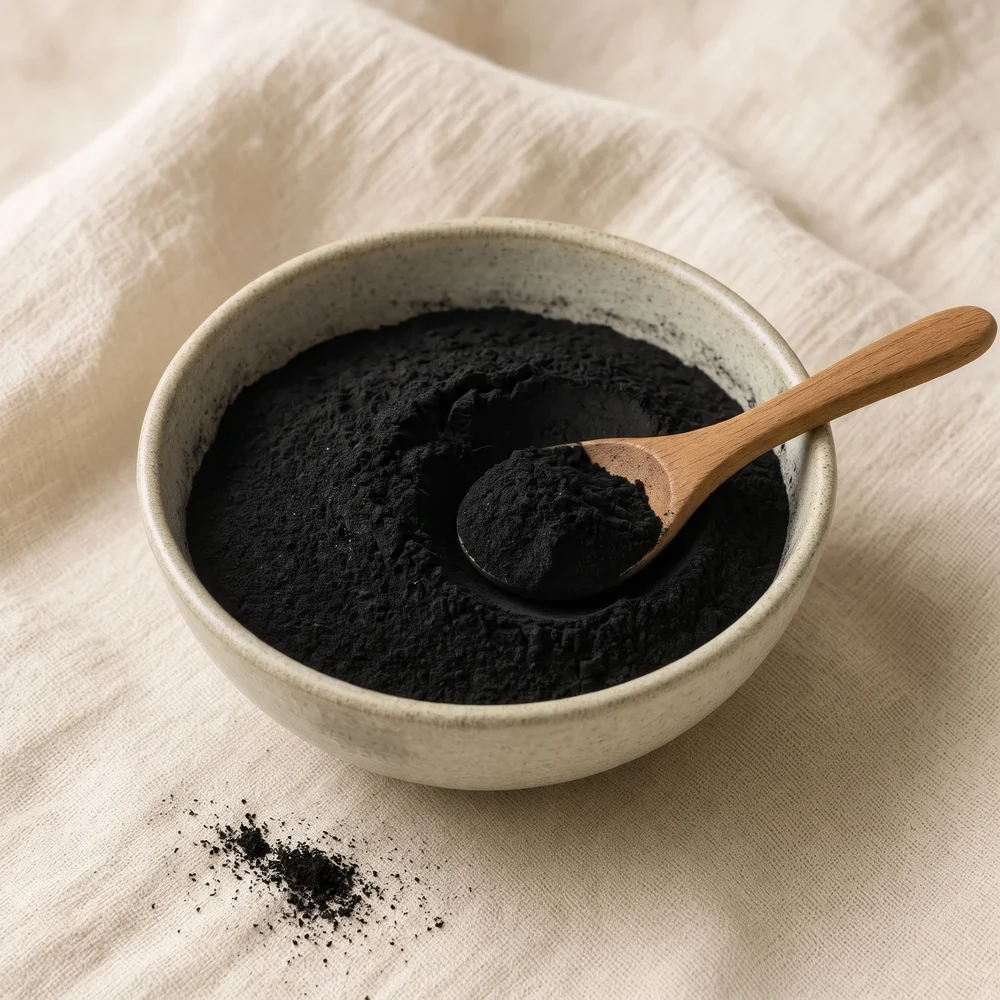
Activated Charcoal
ایکٹیویٹڈ چارکول
Fine black activated charcoal powder for face masks on oily, acne-prone skin, and for brushing.
Pack
Rs 350
About 3–5 working days after WhatsApp confirmation. Free delivery over Rs 5,000.
Add Rs 4,650 more for free delivery.
- Cash on deliveryPay the courier when your parcel arrives.
- Sealed packsOriginal sealed units, packed for the courier.
- 3–5 day deliveryAnywhere in Pakistan, after WhatsApp confirmation.
- Unopened returnsSealed packs within 7 days. Returns policy
Share on:
About this product
What Activated Charcoal is
Activated charcoal is ordinary charcoal heated with air or steam so it becomes very porous, giving it a very large surface area inside each grain. This is a fine, black, odourless powder. Here it is sold mainly for cosmetic use: people mix it with clay and rose water for a face mask, often on oily skin. Because it is so porous, it soaks up surface oil, so a charcoal mask or scrub leaves the face feeling clean, fresh and less shiny. It is known for drawing oil, dirt and other impurities out of the pores, which is why it is popular for acne-prone skin and may help keep blackheads and breakouts down. Some people also brush with a pinch of it, as it is traditionally used to whiten teeth by lifting surface stains. Taken by mouth, activated charcoal is traditionally used for gas and bloating, but only take it internally on a doctor's advice, because it can stop medicines from being absorbed. It is also used in homemade face scrubs and masks with coconut oil, rice flour or aloe vera. It is very messy; it gets onto towels and the sink.
- How to use
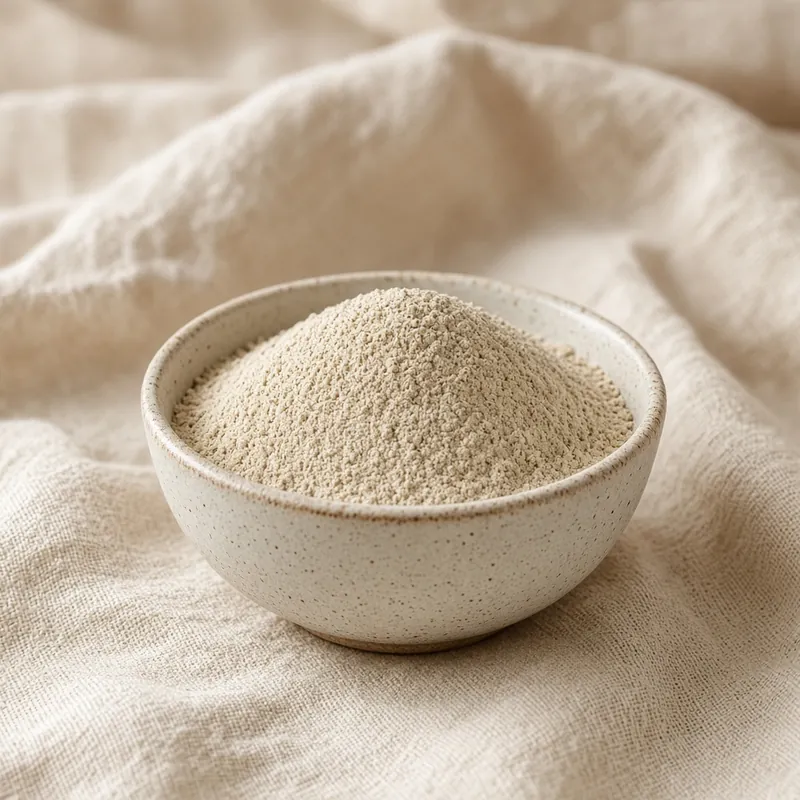
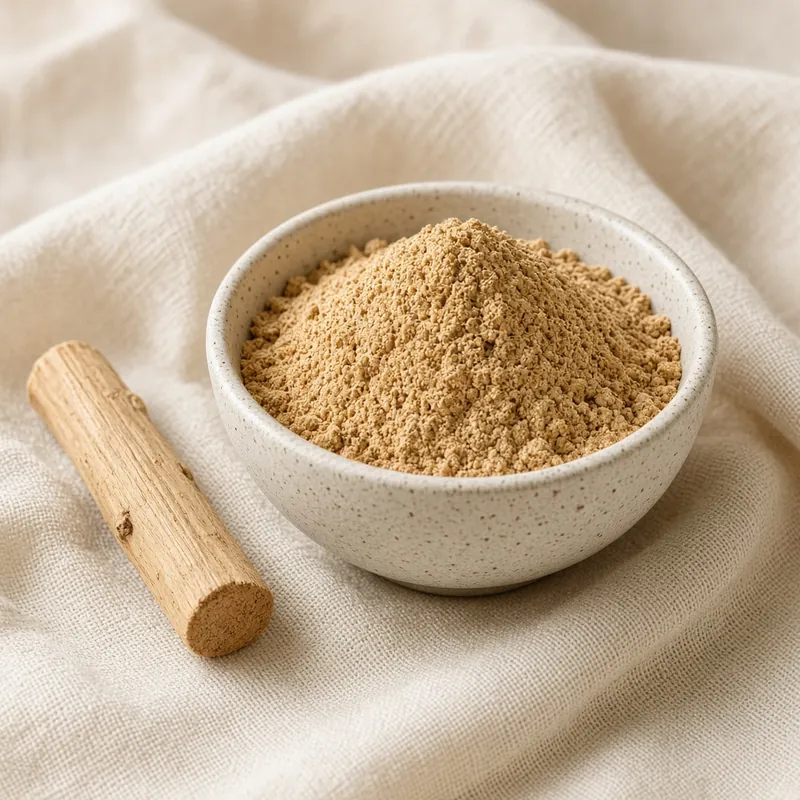
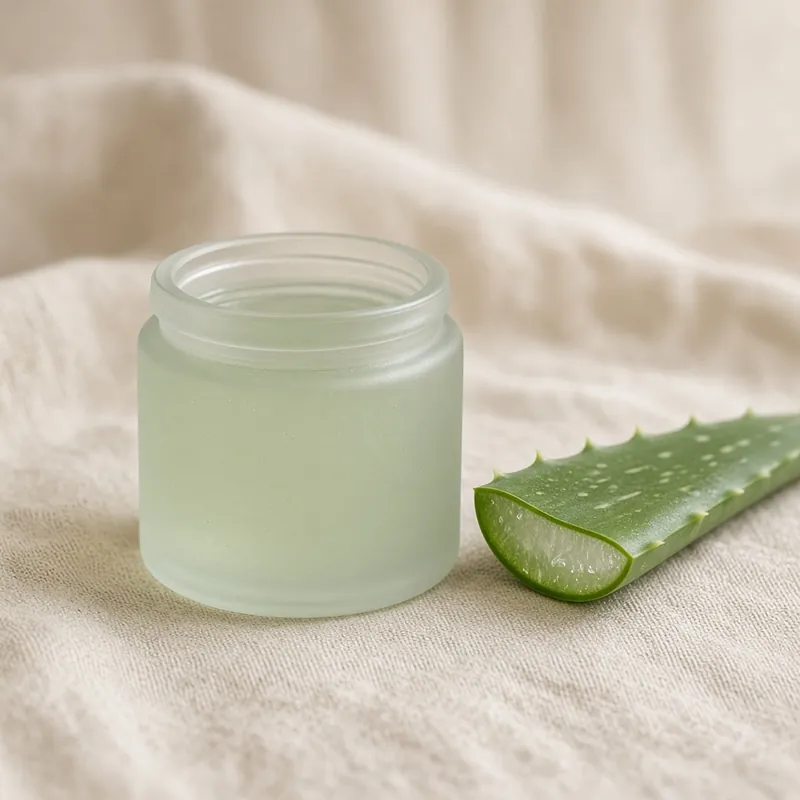
- Basic clay mask: mix 1 teaspoon of charcoal with 1 teaspoon of bentonite clay or multani mitti and rose water (2 to 3 teaspoons) into a smooth paste. Coconut oil mask for very oily skin: stir 2 tablespoons of charcoal and half a teaspoon of baking soda into a third of a cup of melted coconut oil. Rice flour scrub mask for the nose and chin: mix 1 tablespoon each of fine rice flour and charcoal, then add 1 tablespoon each of jojoba or olive oil and rose water, plus 1 teaspoon of baking soda, with a little water if it is too dry. Aloe mask for normal to oily skin: blend a tablespoon of aloe vera gel with 1 teaspoon each of bentonite clay and charcoal, and a couple of drops of tea tree oil. For each one, apply to the forehead, nose, cheeks and chin, away from the eyes and lips, leave 10 to 15 minutes, rinse with lukewarm water, pat dry and moisturise. Once a week is enough; skip the baking soda on sensitive skin. Patch-test the inner arm first. For brushing, dip a damp, soft toothbrush into a pinch of powder, brush gently for a minute, rinse well and then brush with your usual toothpaste. Once or twice a week is plenty.
- Choosing a pack
- 50 g or 100 g lasts months of weekly masks. 250 g and 500 g suit a family or someone making masks often. 1 kg is for people who make their own products in batches.
- Safety notes
- Keep it out of the eyes, and stop if the face stings. It is mildly abrasive, so do not brush with it every day. Only take it internally on a doctor's advice; it can stop medicines from working. Not a substitute for medical treatment.
FAQs
Can I take it by mouth?
It is traditionally used for gas and bloating, but only take it internally on a doctor's advice. It can bind to medicines and stop them working.
Will it stain?
It washes off skin easily but can mark towels, grout and light clothes. Use an old towel.
Can I use it on its own?
You can, with rose water, but most people mix it with clay so the mask holds together.
Can I brush my teeth with it?
Many people do, to lift surface stains. Brush gently with a soft brush once or twice a week, then use your usual toothpaste. It is mildly abrasive, so daily use can wear enamel.
What is Activated Charcoal used for?
Mostly as a face mask or scrub, mixed with bentonite clay, multani mitti, coconut oil, rice flour or aloe vera. It is known for drawing oil and impurities out of the pores, so it may help oily and acne-prone skin and leave the face feeling clean and less shiny. It is also traditionally used to whiten teeth, and taken internally for gas and bloating, which should only be done on a doctor's advice.