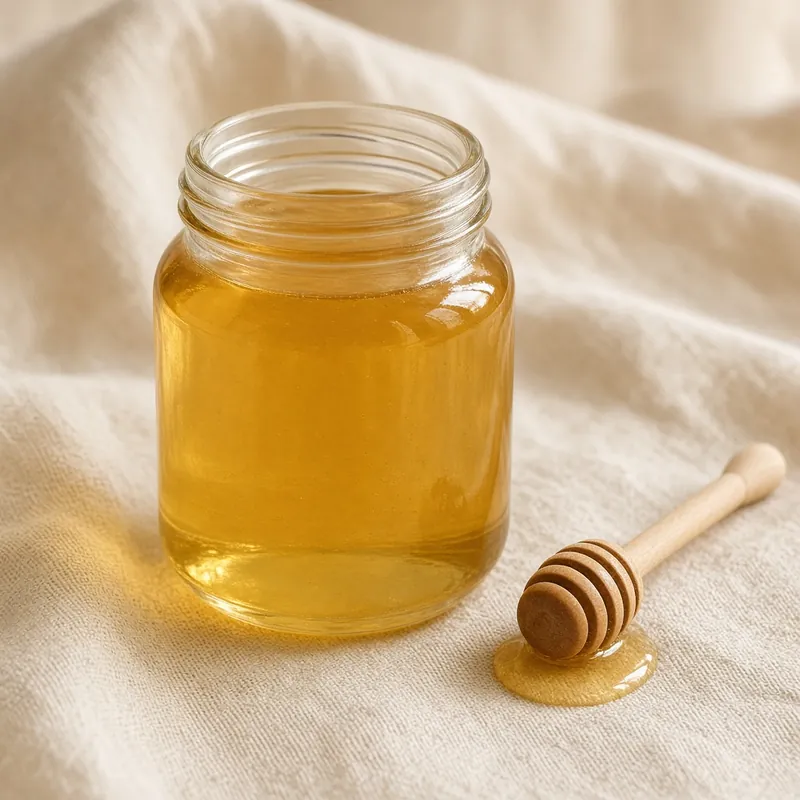
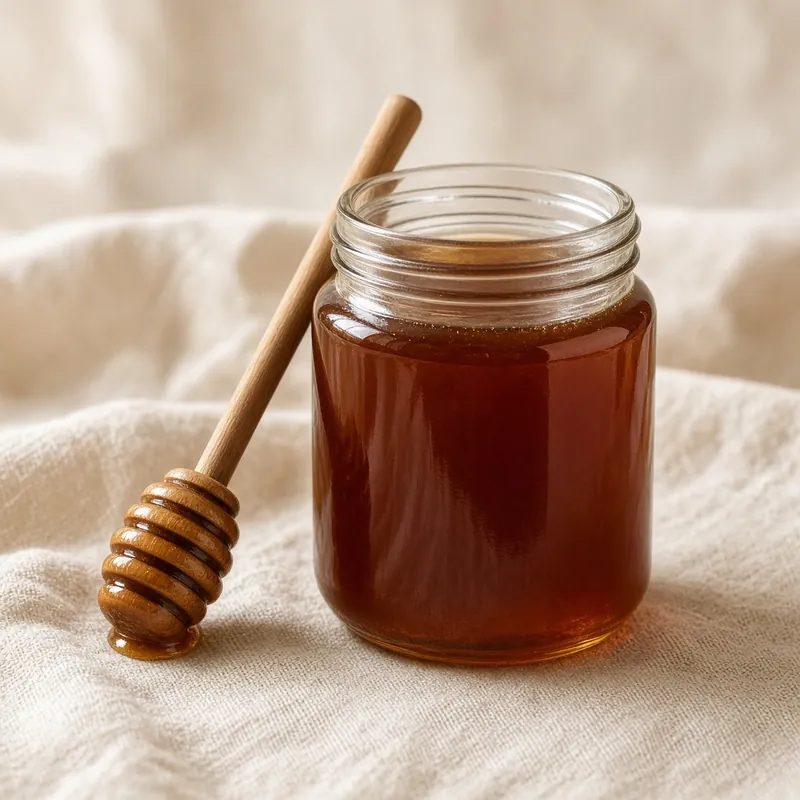
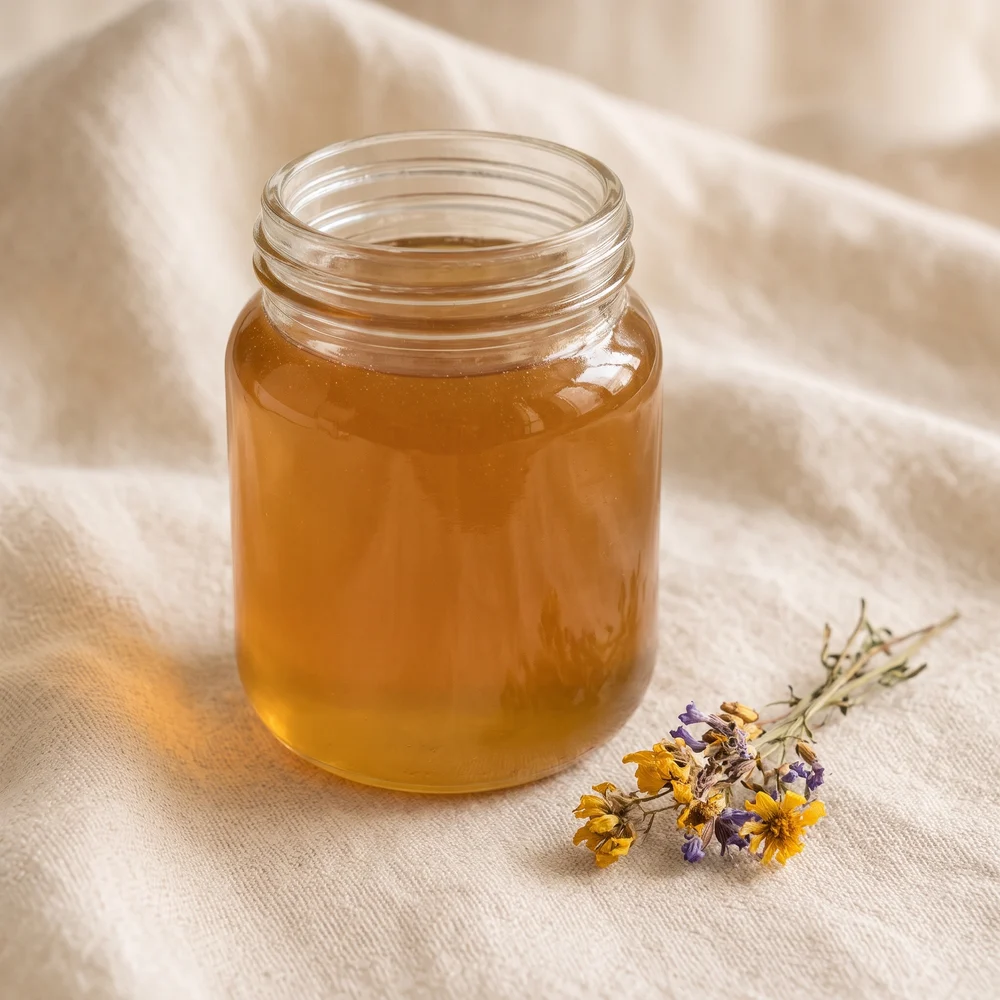
Raw Wild Flower Honey
جنگلی شہد
Raw wildflower honey from the meadows of upper Hunza, for breakfast, tea and a soothing spoonful.
Pack
Rs 1,350
About 3–5 working days after WhatsApp confirmation. Free delivery over Rs 5,000.
Add Rs 3,650 more for free delivery.
- Cash on deliveryPay the courier when your parcel arrives.
- Sealed packsOriginal sealed units, packed for the courier.
- 3–5 day deliveryAnywhere in Pakistan, after WhatsApp confirmation.
- Unopened returnsSealed packs within 7 days. Returns policy
Share on:
About this product
What Raw Wild Flower Honey is
This is wildflower honey (jangli shehad) from the high meadows of upper Hunza, where the bees feed on many kinds of flowers rather than one crop. It is sold raw, not heated. The taste is lighter and more floral than sidr. Raw honey crystallises quickly, and that is normal; keep it out of the fridge, which makes it set faster. Raw honey naturally carries small amounts of enzymes, amino acids, minerals and plant compounds from the comb, along with the floral aroma of the meadows. Honey is known for its antioxidants, and many families keep a daily spoon in the belief that it may support immunity and help keep digestion settled. Stirred into warm water or tea, a spoon of it has long been used to soothe a sore throat and calm a cough. Its natural sugars give quick energy, and some people take local wildflower honey hoping it may ease seasonal allergies, though the evidence for that is limited. Honey has also long been dabbed on small cuts and minor burns, as it is known for its natural antibacterial qualities. In the kitchen it is a natural sweetener for tea, toast, yoghurt and desserts, and some people also use a thin layer as a simple face mask.
- How to use
- Sweeten warm (not boiling) tea, coffee or milk with a spoon of it instead of sugar. Spread it on toast, paratha or bread, with butter or peanut butter if you like. Drizzle it over oats, cereal or yoghurt with fruit, nuts or granola, or blend it into a smoothie. For a salad dressing, whisk a spoon of it into olive oil and vinegar with a little mustard and some herbs, or brush it on chicken or roast vegetables near the end of cooking so it caramelises. Try it over cheese and crackers, or swap it for some of the sugar in cakes and muffins (it keeps them moist). Many people take a plain spoonful before exercise or in a cup of warm water in the morning. For a face mask, spread a thin layer on clean skin, leave it 15 to 20 minutes and rinse with warm water. Always use a dry spoon, and if the honey has gone solid, stand the closed jar in warm water and stir.
- Choosing a pack
- 500 g is the trial and a few weeks of breakfast. 1 kg is the family jar and costs less per gram.
- Safety notes
- Do not give honey to infants under one year. Honey is still a sugar, so people with diabetes should count it in their diet. See a doctor for a deep wound, a serious burn or a cough that will not clear. Not a substitute for medical treatment.
FAQs
Why did my honey go solid?
Raw honey crystallises, often within weeks. It is not spoiled or fake. Stand the jar in warm water to loosen it.
Should I keep it in the fridge?
No. Keep it closed at room temperature, out of the sun. The fridge makes it set faster.
How is it different from sidr honey?
Sidr comes mostly from beri flowers and is darker and richer. Wildflower honey comes from many meadow flowers and tastes lighter.
Can I give it to a baby?
Not under one year. Honey can carry bacterial spores that are harmful to infants. From one year on, a small amount is fine.
What is Raw Wild Flower Honey used for?
Mostly as food: a natural sweetener in tea and coffee, a spread on toast, a topping for oats and yoghurt, and an ingredient in dressings, glazes and baking. It is also known for its antioxidants, and is traditionally taken to soothe a sore throat or cough, to support immunity and digestion, and for a quick lift of energy before exercise. Some people hope local honey may ease seasonal allergies, and it has long been used on minor cuts and burns, and as a face mask that leaves skin feeling soft.